

Can A Rotator Cuff Ever Heal On Its Own?
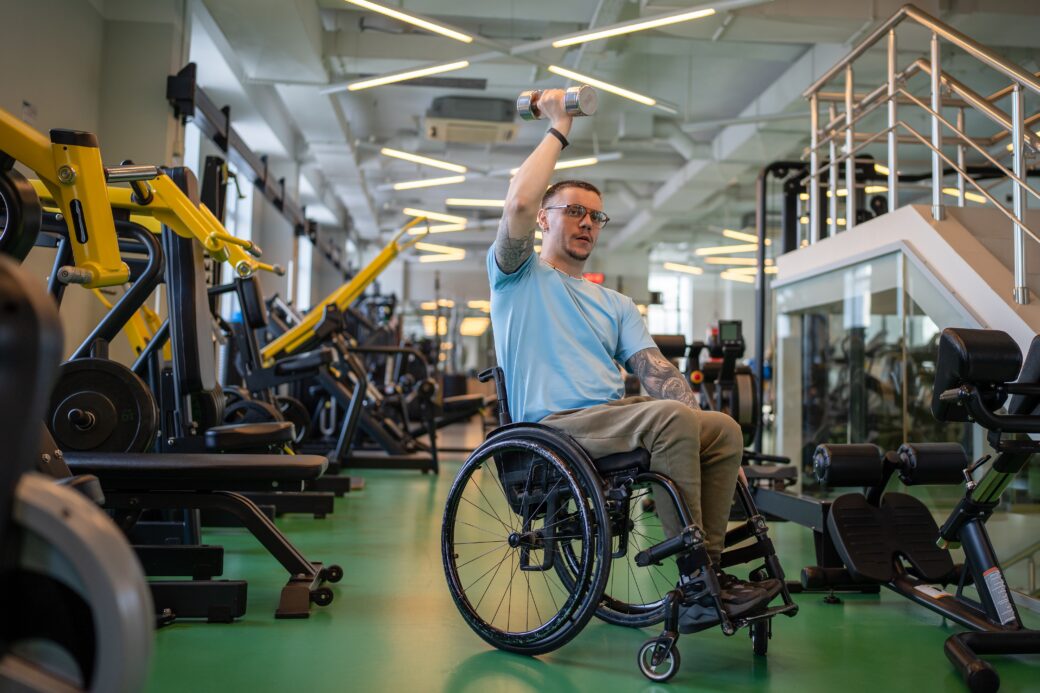
A rotator cuff injury is one of the most common causes of shoulder pain, especially in adults over forty and in people who perform repetitive overhead activities. If you have been diagnosed with a rotator cuff tear or strain, you may wonder if it can heal without surgery. The answer depends largely on the type and severity of the injury.
In many cases, symptoms can improve significantly with conservative treatment. But the tendon itself does not always fully repair or reattach naturally, especially in the case of complete tears.
Partial Tears & Tendonitis
Better Chance Of Improvement
Partial thickness tears and tendon inflammation often respond well to non surgical treatment. Rest, physical therapy, anti inflammatory medication, and activity modification can reduce pain and improve function.
While the tendon may not completely return to its original condition, strengthening surrounding muscles can compensate for the damage. Many individuals regain good shoulder mobility and experience minimal long-term symptoms.
Full-Thickness Tears
Limited Natural Healing
A full-thickness tear means the tendon is completely torn and may be detached from the bone. In most cases, these tears do not fully heal on their own because the tendon cannot naturally reattach once separated.
But not every full-thickness tear requires surgery. Some people, especially older adults with lower physical demands, can function well with guided rehabilitation even if the structural tear remains.
Factors That Affect Healing
Age plays a significant role. As we get older, the blood supply to the rotator cuff tendons decreases, which slows healing. Smoking, certain medical conditions, and overall health can also influence recovery potential.
The size of the tear is another important factor. Small tears are less likely to progress quickly compared to large or massive tears, which may worsen over time.
When Conservative Treatment Works
Physical therapy focuses on improving strength in the surrounding shoulder and upper back muscles. This added stability can reduce strain on the injured tendon and improve overall shoulder mechanics.
Many patients experience significant pain relief and improved function within several months of consistent therapy.
When Surgery May Be Necessary
Surgery is often considered if there is severe weakness, persistent pain that does not improve with treatment, or a large tear that limits daily function. Early surgical repair may provide better outcomes in certain cases, particularly after a traumatic injury.
Monitoring The Condition
Even if you choose conservative management, regular follow-up with a healthcare provider is important. Some tears can enlarge over time, and ongoing evaluation helps guide decisions.

What Aggravates A Rotator Cuff?

Should I Massage My Rotator Cuff?
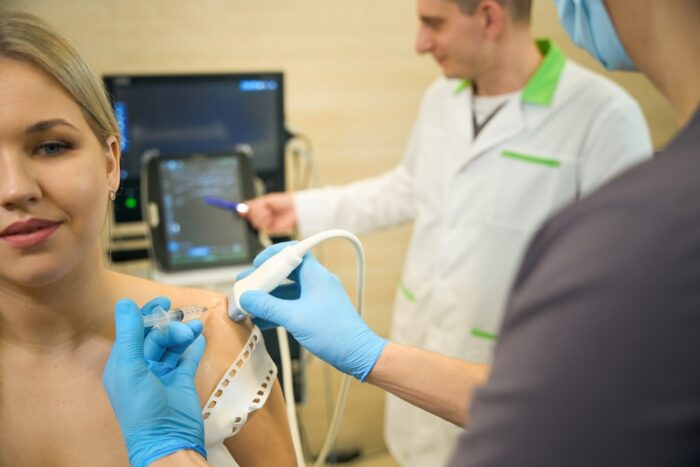
How Urgent Is Rotator Cuff Surgery?