

Do I Need An MRI For A Rotator Cuff Tear?
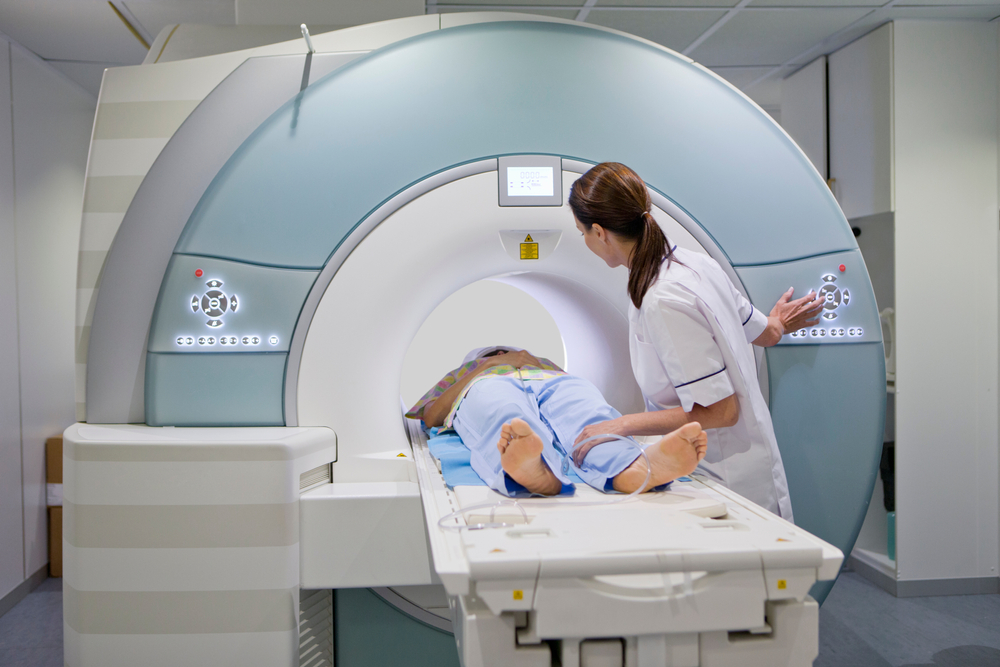
If you are experiencing shoulder pain and suspect a rotator cuff tear, you may be wondering whether an MRI is necessary. The answer depends on several factors, including the severity of your symptoms, how the injury occurred, and how long the pain has been present. An MRI is a valuable diagnostic tool, but it is not always the first step in evaluation.
Many shoulder injuries can initially be assessed through a detailed medical history and physical examination. In some cases, conservative treatment is recommended before advanced imaging is considered.
Understanding A Rotator Cuff Tear
The rotator cuff is made up of muscles and tendons that stabilize the shoulder joint and allow you to lift and rotate your arm. Tears can happen suddenly due to trauma such as a fall, or gradually from repetitive use and age related wear.
Common symptoms include shoulder pain, weakness, limited range of motion, and discomfort when sleeping on the affected side. Some tears are partial and may still allow movement, while complete tears often cause noticeable weakness.
When An MRI May Not Be Immediately Necessary
If your pain is mild to moderate and there was no significant traumatic injury, your healthcare provider may suggest starting with rest, physical therapy, and anti-inflammatory medication. Many partial tears and inflammatory conditions improve with non-surgical treatment.
In these situations, an MRI may not change the initial management plan. Doctors often monitor progress over several weeks before deciding whether imaging is required.
When An MRI Is Recommended
Sudden Trauma With Weakness
If you experienced a fall or lifting injury followed by immediate weakness, an MRI can help determine whether there is a full-thickness tear that may require surgical repair.
Persistent Symptoms
If shoulder pain continues despite conservative care for several weeks, imaging may be necessary to evaluate the extent of tendon damage.
Pre-Surgical Planning
If surgery is being considered, an MRI provides detailed images of the soft tissues, including muscles and tendons. This helps surgeons determine the best treatment approach.
Other Imaging Options
Ultrasound is sometimes used as an alternative to MRI. It can detect many rotator cuff tears and is often more affordable. However, its accuracy can depend on the technician’s experience.
X-rays are commonly performed to rule out bone problems such as arthritis or fractures, but they do not show soft tissue injuries like rotator cuff tears.
Individual Factors Matter
Your age, activity level, occupation, and overall health all influence the decision. Athletes or individuals with physically demanding jobs may require earlier imaging to guide return to activity decisions.
It is also important that many rotator cuff tears, especially in older adults, can be managed successfully without surgery. An MRI does not automatically mean surgery is required.

What Aggravates A Rotator Cuff?

Should I Massage My Rotator Cuff?

How Urgent Is Rotator Cuff Surgery?