

Do They Put A Tube Down Your Throat For Rotator Cuff Surgery?
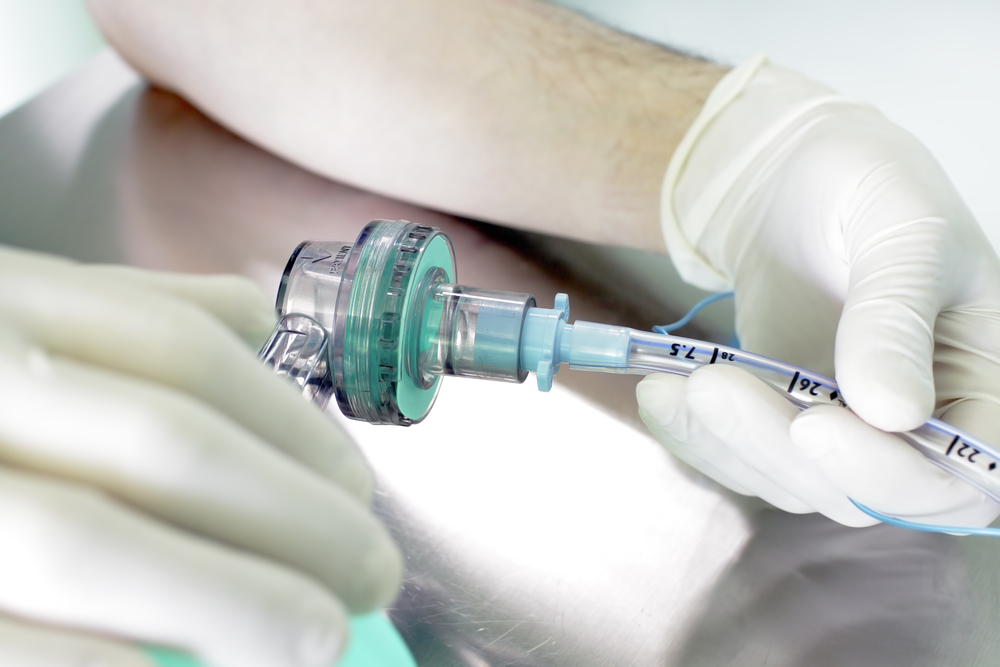
If you are preparing for rotator cuff surgery, it is completely normal to feel anxious about anesthesia. One common concern is whether a breathing tube will be placed down your throat during the procedure. In many cases, the answer is yes, but it depends on the type of anesthesia used and your specific medical situation.
Understanding why a breathing tube may be used and what alternatives exist can help ease concerns before surgery.
Why A Breathing Tube Is Sometimes Used
Rotator cuff surgery is typically performed under general anesthesia. General anesthesia allows you to be completely asleep and pain free during the procedure. When you are under general anesthesia, your body does not breathe as effectively on its own. A breathing tube is often placed into your airway to protect it and ensure you receive adequate oxygen throughout the surgery.
The tube is inserted after you are fully asleep, so you will not feel it being placed. It is removed before you wake up or shortly afterward in the recovery area.
Is A Breathing Tube Always Required
General Anesthesia
Most rotator cuff repairs use general anesthesia, which commonly involves a breathing tube or a similar airway device. The exact method depends on the anesthesiologist’s approach and your health status.
Regional Nerve Block
In many cases, surgeons also use a regional nerve block called an interscalene block. This numbs the shoulder and arm to control pain during and after surgery. Sometimes a nerve block is combined with lighter sedation instead of full general anesthesia. In select cases, this may reduce the need for a traditional breathing tube.
Individual Health Factors
Your medical history, airway anatomy, and overall health influence the anesthesia plan. Patients with certain lung or airway conditions may require specific airway management strategies.
What To Expect After Surgery
It is common to have a mild sore throat after general anesthesia if a breathing tube was used. This usually resolves within a day or two. Drinking fluids and resting your voice can help ease temporary discomfort.
The anesthesia team monitors you closely throughout the procedure and recovery to ensure safety.
Talking To Your Anesthesiologist
Before surgery, you will typically meet with an anesthesiologist who will review your medical history and explain the anesthesia plan. This is the best time to ask questions about airway management and what to expect.
Clear communication can help reduce anxiety and ensure you feel comfortable with the process.

What Aggravates A Rotator Cuff?

Should I Massage My Rotator Cuff?

How Urgent Is Rotator Cuff Surgery?