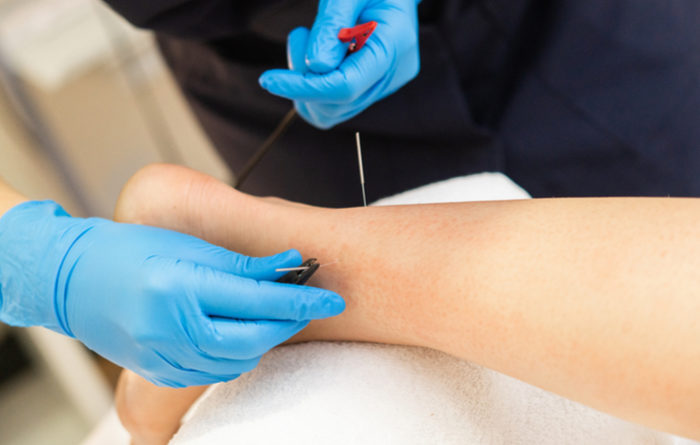

Can dry needling cause nerve damage?

Updated September 13, 2026.
Yes. Nerve injury is a possible complication of dry needling. It should not be described as impossible, harmless, or guaranteed to resolve within a few days. A published BMJ case report of radial nerve injury describes persistent weakness following treatment. A case report shows that an event can occur; it does not establish how often it happens.
Soreness and nerve symptoms are not the same
Temporary local soreness and bruising are recognized side effects. New weakness, ongoing numbness, or a change in sensation deserves assessment rather than an assumption that it is ordinary soreness. Tell the treating clinician immediately about an unexpected electric, shooting, or burning sensation during treatment. If you develop new weakness or persistent altered sensation afterward, seek prompt medical advice.
Research on adverse events associated with therapeutic dry needling identifies nerve injury, infection, and pneumothorax among possible serious complications. Risk depends on the treatment area and individual circumstances. Training and appropriate technique matter, but no invasive procedure is risk-free.
Discuss risks before treatment
Ask your clinician to explain why dry needling is being proposed, the expected benefit, alternatives, and risks for the particular area being treated. Share relevant medical history and medications, including blood thinners, as well as previous reactions to needling. Do not stop a prescribed medication on your own.
- What symptoms are expected after this treatment?
- Which symptoms should prompt a same-day call or medical assessment?
- Who should I contact outside clinic hours?
- Can we use an alternative if I am not comfortable with needling?
When symptoms require urgent help
New chest pain or shortness of breath after needling around the chest, shoulder, or upper back needs urgent medical evaluation. A collapsed lung is a possible complication, and symptoms should not be dismissed as muscle soreness. Call 911 for severe breathing difficulty or severe chest pain. Cleveland Clinic’s dry-needling guidance discusses these risks; MedlinePlus explains pneumothorax symptoms.
Ask about your treatment options
If you are considering dry needling at Wichita Physical Therapy Group, contact the clinic at (316) 358-9942 to discuss an evaluation. Bring your questions so that the clinician can explain the options for your individual situation. This general article cannot diagnose a complication.

What does dry needling do for you?

How painful is dry needling?

How long does dry needling relief last?