

How Do You Tell If Lower Back Pain Is Muscle Or Disc?

Lower back pain is extremely common, but knowing if it’s a pulled muscle or a herniated disc can help you take the right steps toward relief. Both conditions feel different and require different approaches for treatment.
Muscle Strain (Pulled Muscle in the Lower Back)
Causes
- Lifting something too heavy
- Sudden awkward movement
- Overuse or improper exercise form
- Pain Characteristics
- Feels like a dull, aching, or tight pain
- Pain is usually localized (you can point to it)
- May feel tender to the touch
- Pain often worsens with movement, especially bending or twisting
- You may have muscle spasms or stiffness
- Improves with rest, ice, and gentle stretching
Typical Onset
Pain often begins immediately or within hours of the activity that caused it.
Herniated or Bulging Disc (Disc Pain)
Causes
- Age-related disc degeneration
- Sudden pressure or trauma to the spine
- Repetitive spinal strain
- Pain Characteristics
- Sharp, shooting, or burning pain, often in the lower back
- May radiate down the leg (sciatica), often one side only
- Can include numbness, tingling, or weakness in the leg or foot
- Pain may worsen when sitting, coughing, sneezing, or bending forward
- May feel better when standing or walking
- Can feel deep and hard to pinpoint
Typical Onset
Pain may develop gradually or suddenly, even after light activity like bending or sitting.
When to See a Doctor
See a healthcare provider if you experience…
- Pain that lasts longer than a week
- Numbness or tingling in your legs or feet
- Weakness in the legs
- Loss of bladder or bowel control (go to the ER)
While muscle pain usually heals with rest and gentle movement, disc problems may need physical therapy, medication, or imaging tests (like MRI) for proper diagnosis. If you’re unsure, get evaluated to avoid making it worse.
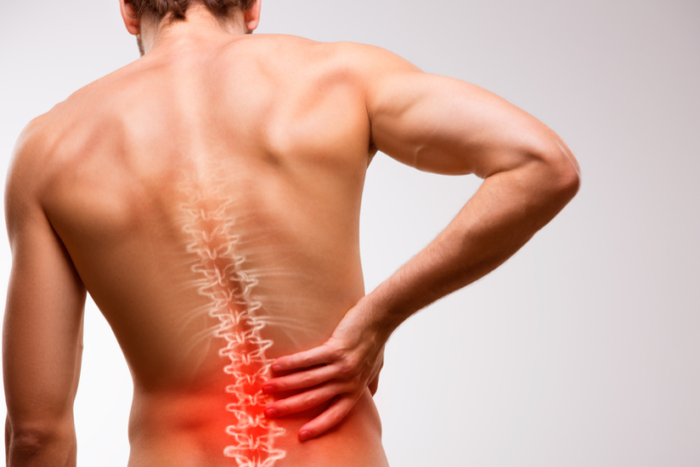
How Do You Know If Back Pain Is Muscular Or Disc Related?

What Is The Most Common Cause Of Back Pain?

How Do I Know If My Back Pain Is A Muscular Or Spinal?