

What Is The Single Best Exercise For Spinal Stenosis?
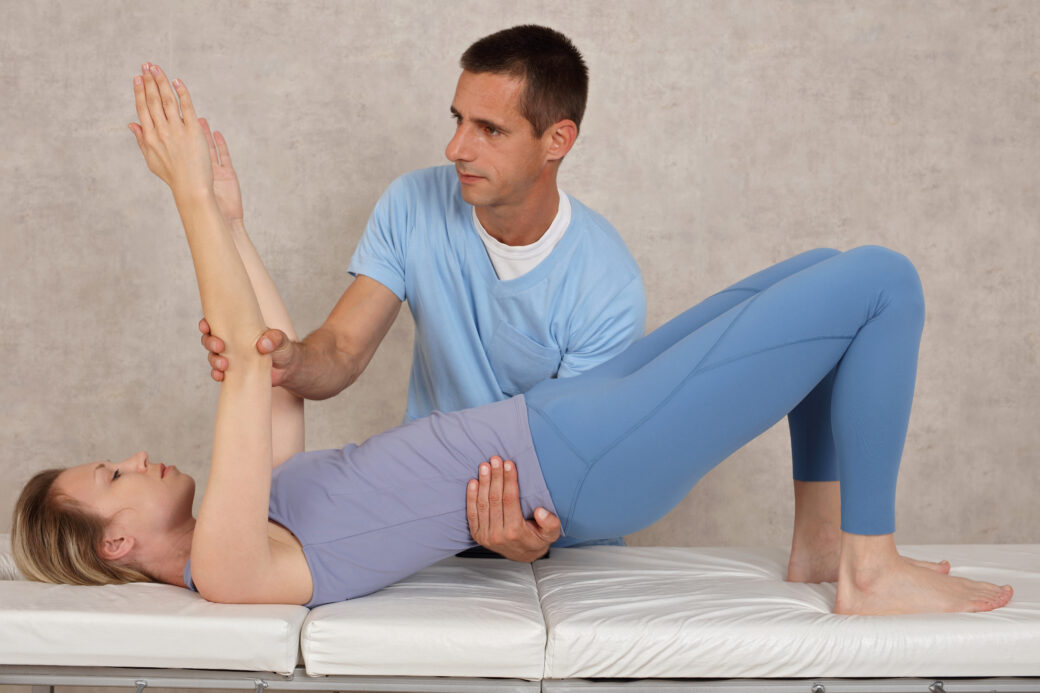
Spinal stenosis is a condition that occurs when the spaces within your spine narrow, putting pressure on the spinal cord and nerves. This can lead to pain, numbness, or weakness, especially in the lower back and legs. While there is no “cure” for spinal stenosis, exercise is one of the most effective ways to manage symptoms and improve quality of life.
So, what is the single best exercise for spinal stenosis? Many experts agree that the pelvic tilt is one of the safest and most effective exercises for people with this condition.
Why the Pelvic Tilt?
The pelvic tilt gently strengthens the abdominal and lower back muscles without placing excessive stress on the spine. It also promotes spinal flexibility, reduces tension, and supports better posture, all essential for managing spinal stenosis.
How to Perform a Pelvic Tilt
Step-by-step
- Lie on your back with your knees bent and feet flat on the floor.
- Tighten your abdominal muscles and flatten your lower back against the floor by gently tilting your pelvis upward.
- Hold the position for 5 – 10 seconds.
- Slowly release and return to the starting position.
- Repeat 10 – 15 times, once or twice per day.
Tips
- Breathe deeply and evenly as you perform the movement.
- Avoid arching your back.
- Keep your neck and shoulders relaxed.
- Benefits of the Pelvic Tilt for Spinal Stenosis
- Reduces lower back pressure
- Improves core strength
- Encourages spinal alignment
- Relieves nerve compression
- Increases control over posture and movement
The pelvic tilt stands out as the single best exercise for spinal stenosis due to its ability to relieve pressure on the spine, strengthen supportive muscles, and improve mobility without increasing pain. Regularly incorporating this exercise into your daily routine can make a significant difference in how you feel and move.
How To Decompress The Lower Back?

Is Plank Good For Lower Back Pain?

What Are The Big 3 Spine Exercises?