


The rotator cuff is made up of the muscles and tendons of the supraspinatus, infraspinatus, teres minor, and subscapularis.
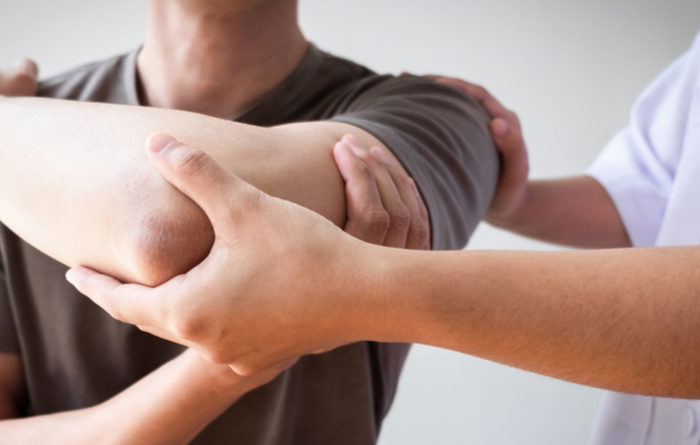
The goals of physical therapy treatment for a rotator cuff injury are to reduce pain, increase range of motion, increase strength, and regain the functional ability. The goals are achieved through manual therapy, neuromuscular re-education, therapeutic exercise, strengthening, and modalities…
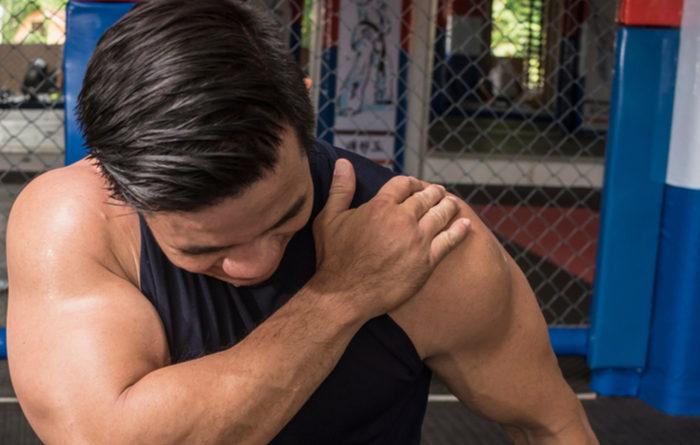
Rotator cuff tears can go undetected and be asymptomatic, with no pain or limitation. Partial tears and those rotator cuff tears that are not due to trauma can be treated effectively with non-surgical intervention such as physical therapy.

Rotator cuff injuries can produce deep dull aches in the involved shoulder. Sometimes this pain goes down the outside of the upper arm to the elbow. Reaching overhead and behind your back can increase the pain. In advanced cases, you…
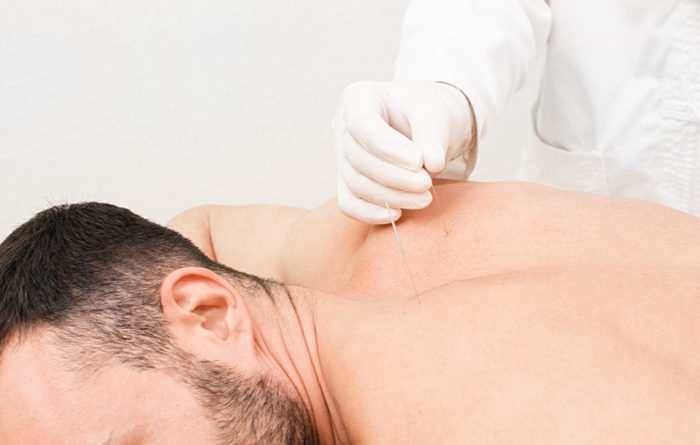
Updated September 13, 2026. Fatigue can occur after dry needling, but feeling tired does not identify its cause or prove that treatment worked. It should not automatically be explained as muscle knots releasing, a beneficial twitch response, or toxins leaving…
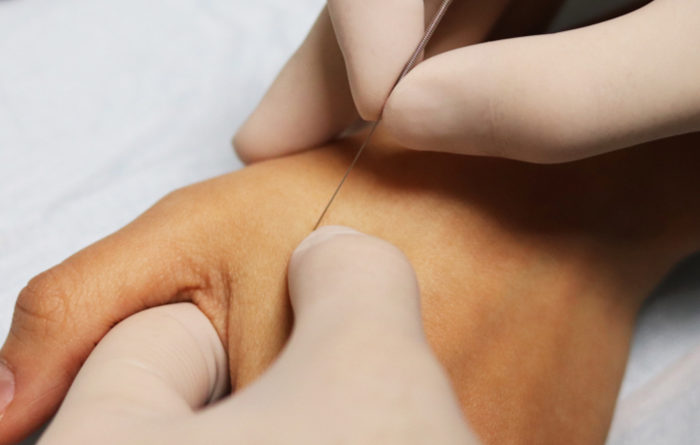
I recommend low-intensity exercises following dry needling for optimal effects. Icing and heating are not necessary.
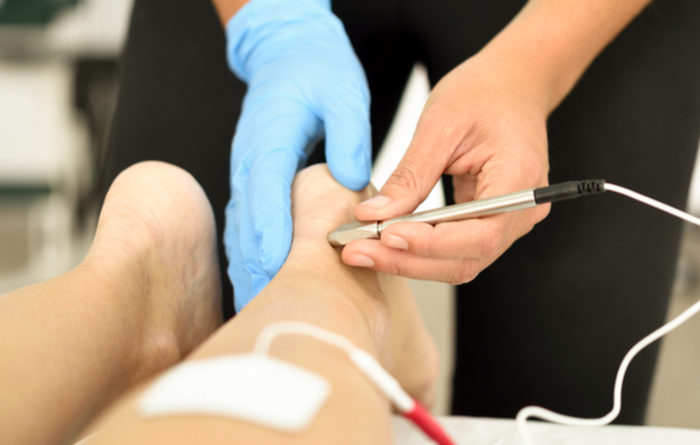
Dry needling can relieve tight muscles that are connected to arthritic joints. However, dry needling does not specifically address arthritis.
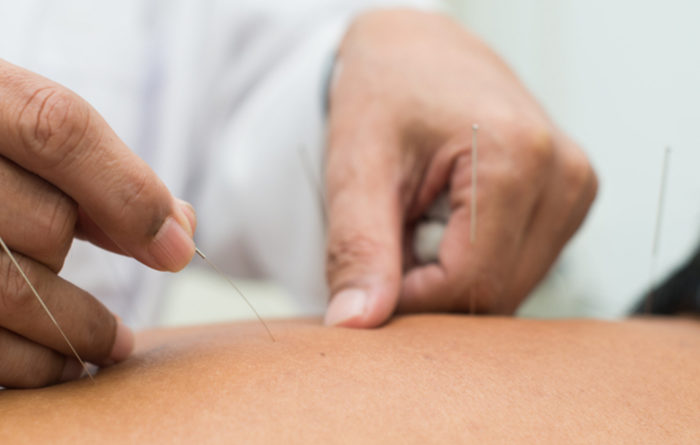
Updated September 13, 2026. Dry needling should not be described as a treatment that releases or flushes “toxins.” Soreness after an appointment is not proof that harmful substances are leaving your muscles, and drinking extra water is not an established…
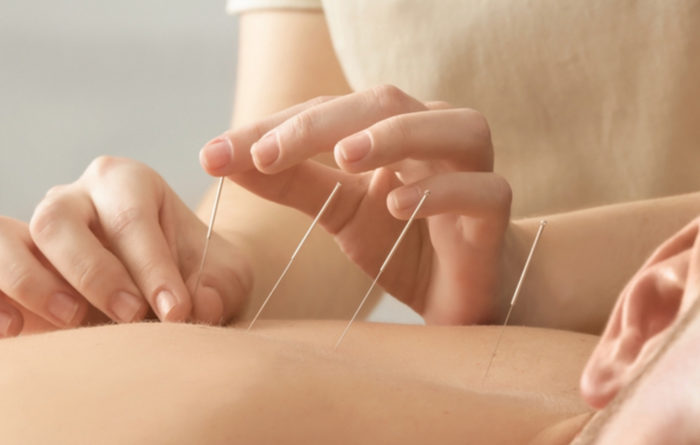
Dry needling does not generally have an anti-inflammatory effect.
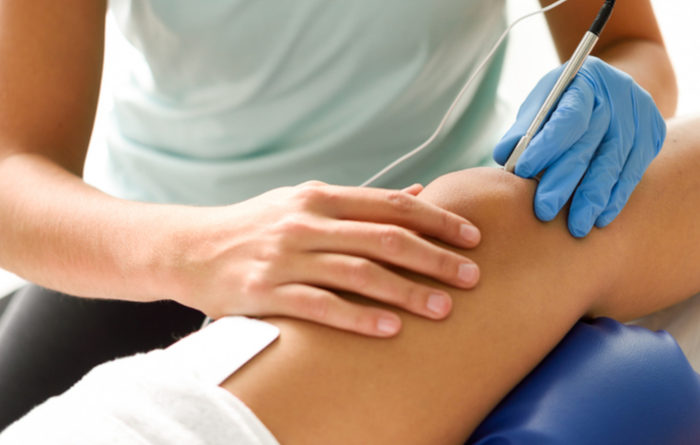
Updated September 13, 2026. Dry needling does not necessarily feel good, and immediate relief is not guaranteed. People experience treatment differently. Some notice discomfort during needling or soreness afterward; others may notice a change in their symptoms. Your response should…