


Stretching your lower back before getting out of bed or as part of your nightly routine can relieve stiffness and improve spinal mobility. Easy Bed Stretches Knees-to-Chest Stretch Lie on your back and gently pull both knees toward your chest.…

A tight lower back often results from muscle tension, poor posture, or inactivity. The key is to combine movement, stretching, heat therapy, and hydration. Proven Techniques Dynamic Stretching (pelvic tilts, bridges, cat-cow) Static Stretching (child’s pose, hamstring stretches, knees-to-chest) Heat…

Fast relief depends on the underlying cause of your back pain. Here’s a general strategy that works for many acute episodes... Immediate Action Plan Stop aggravating activities - Avoid bending, twisting, or lifting. Rest smart - not still - Avoid bed rest,…
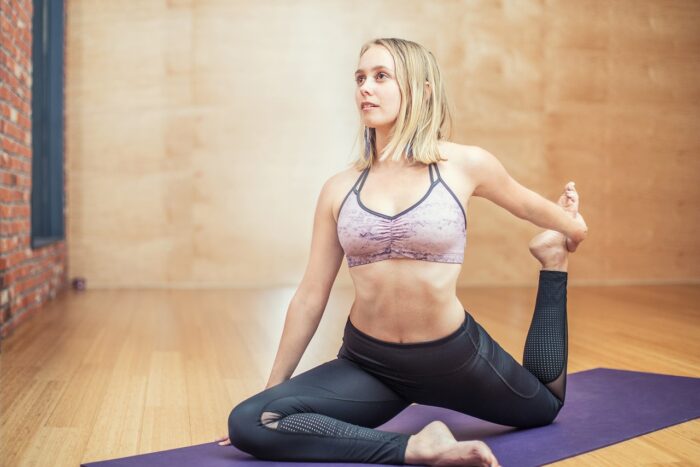
Training your lumbar muscles is essential for maintaining a healthy back, preventing injury, and reducing lower back pain. Strengthening these muscles can improve stability, posture, and overall functionality. Here are some effective exercises and strategies to train your lumbar muscles...…
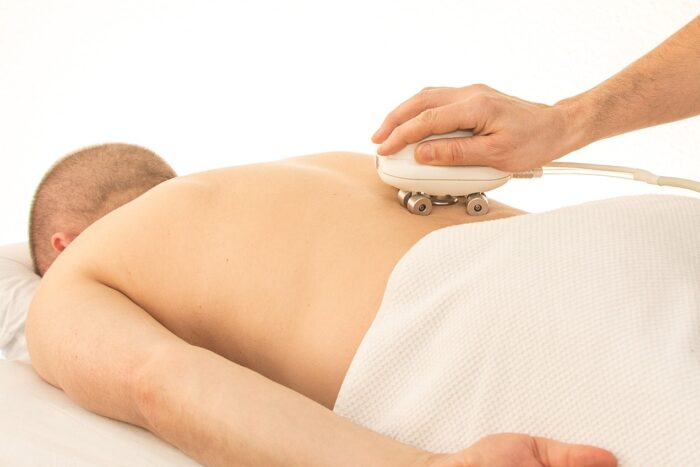
Massaging your lumbar spine can help relieve tension, reduce pain, and improve blood circulation to the area. Here are some techniques and tips for effectively massaging your lumbar spine... Self-Massage Techniques Tennis Ball or Massage Ball How to Do It…
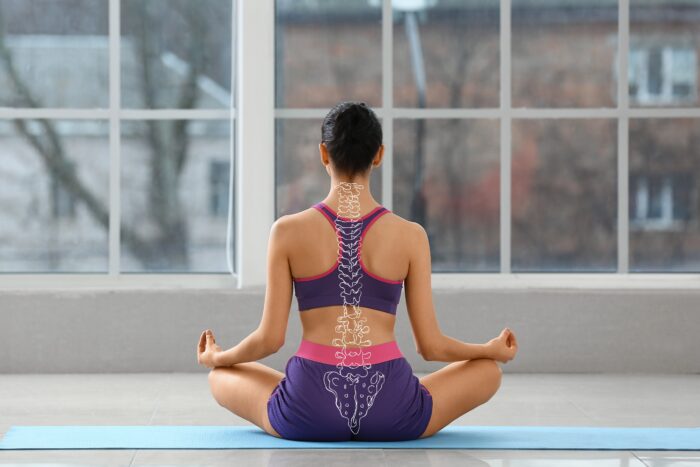
Natural spinal alignment can be supported through postural awareness, movement, and core activation. Ways to Realign Your Back Naturally Improve Your Posture Sit with feet flat, spine upright, and shoulders relaxed. Avoid slouching or rounding the lower back. Daily Core…
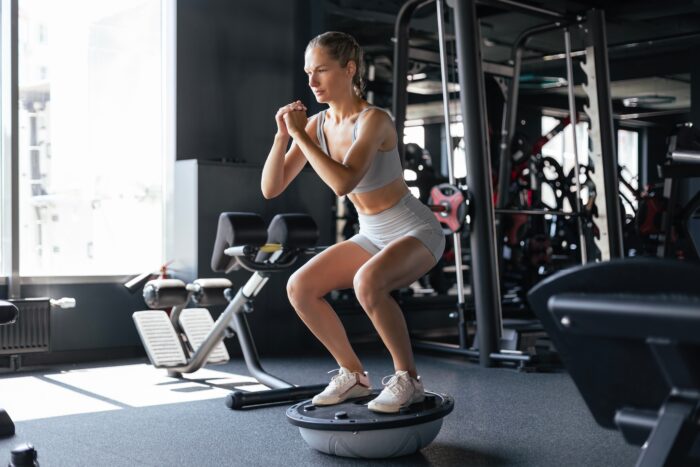
Yes & no. Squats can be beneficial if performed correctly and under the right conditions, but they can also aggravate back pain if done improperly or with poor form. When Squats Are Good... Strengthen glutes, hamstrings, and core, all crucial…

If you feel stiff or in pain when standing up after sitting for a while, it may be a sign of muscle tightness, disc compression, or nerve irritation. Common Causes Postural Stress - Prolonged sitting, especially in a slouched position,…
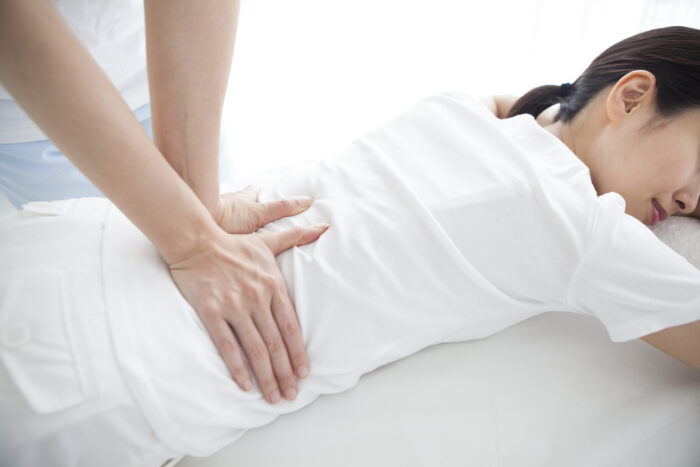
Physical therapy (PT) offers a structured, non-invasive approach to treating the root causes of lower back pain. Key Benefits of PT Pain Relief - Through hands-on techniques, dry needling, or modalities like heat/ice. Corrective Exercise - Strengthens weak muscles (often core and…
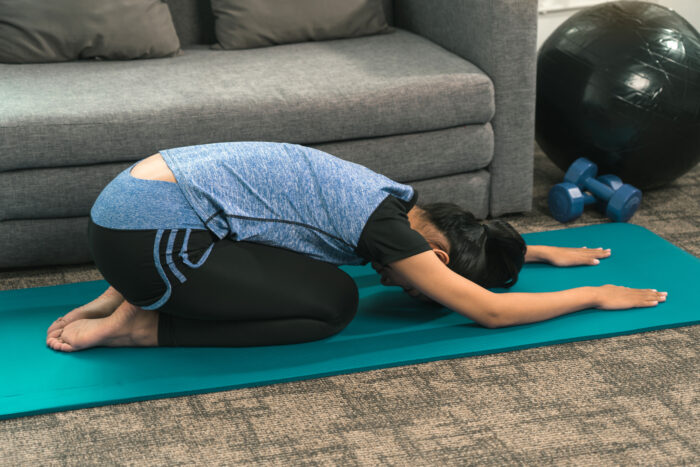
Unlocking your lumbar spine involves techniques and exercises that promote mobility, flexibility, and reduced tension in the lower back. Here are several methods to help you unlock your lumbar spine... Stretching Exercises Knee-to-Chest Stretch How to Do It Lie on…